As a first-year PhD student, I'm navigating an interesting intersection: being intentional about my future while remaining open to possibilities I haven't yet imagined.
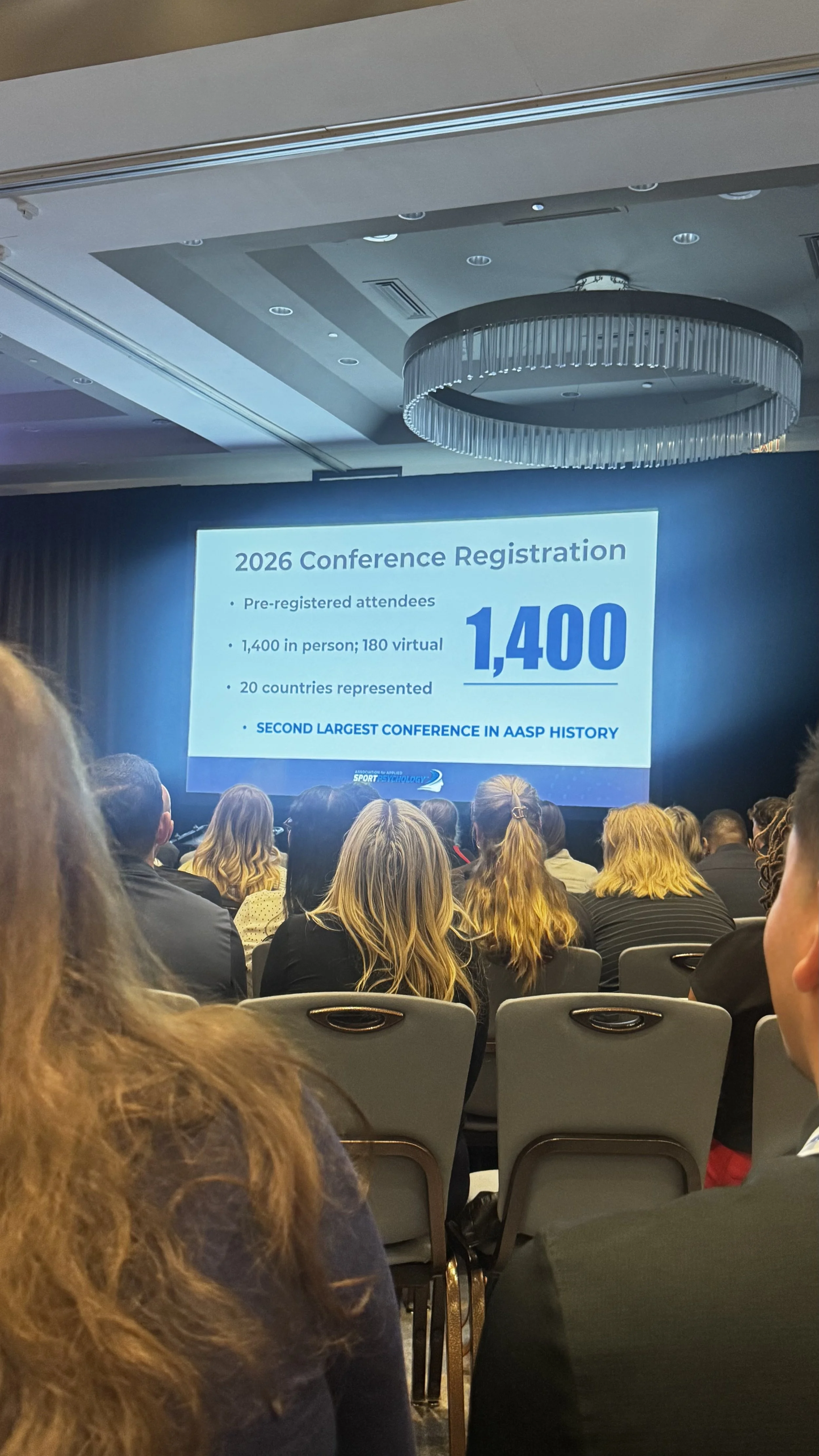
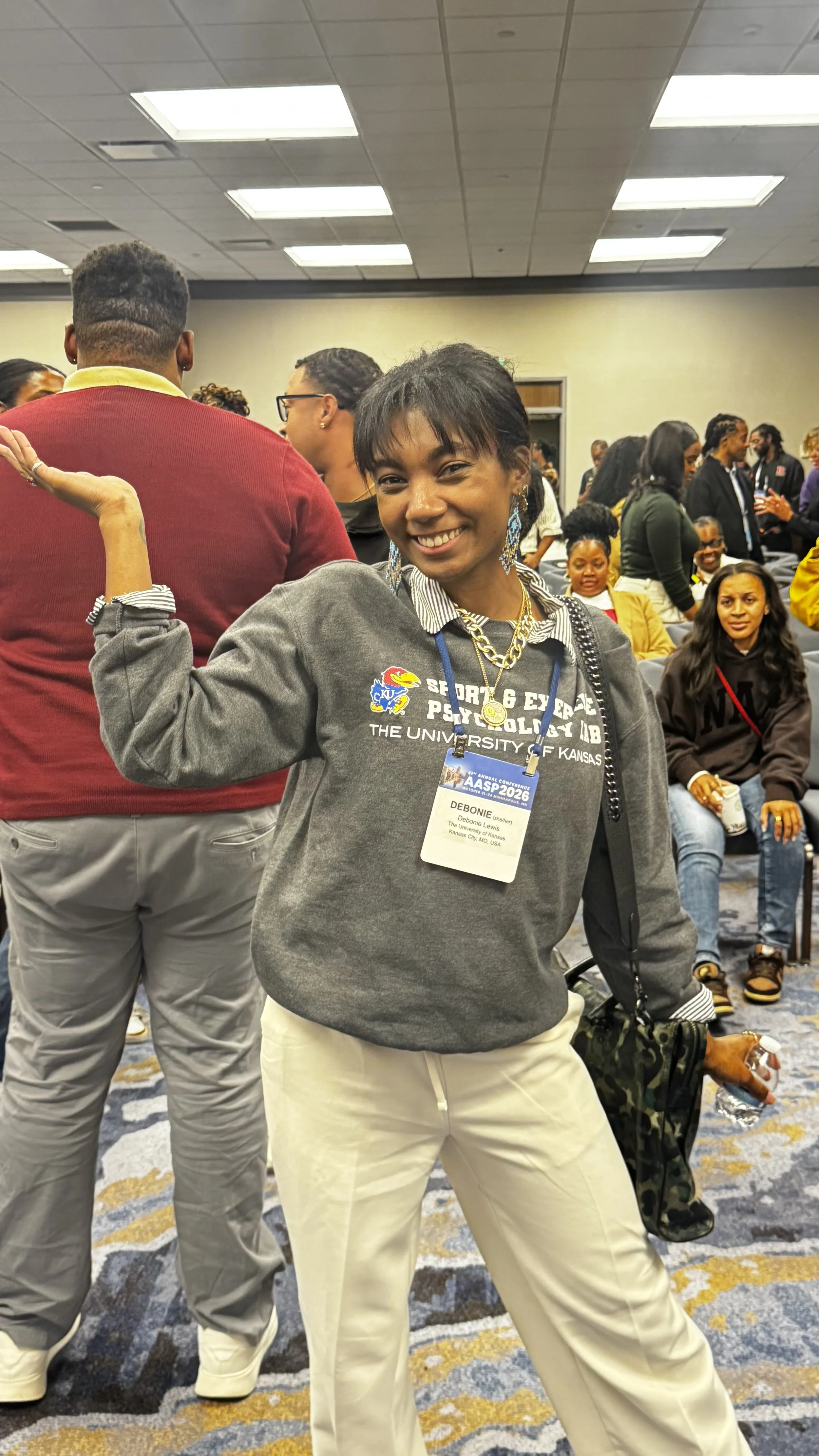
Attending the Association for Applied Sport Psychology (AASP) conference reminded me why I chose this path.
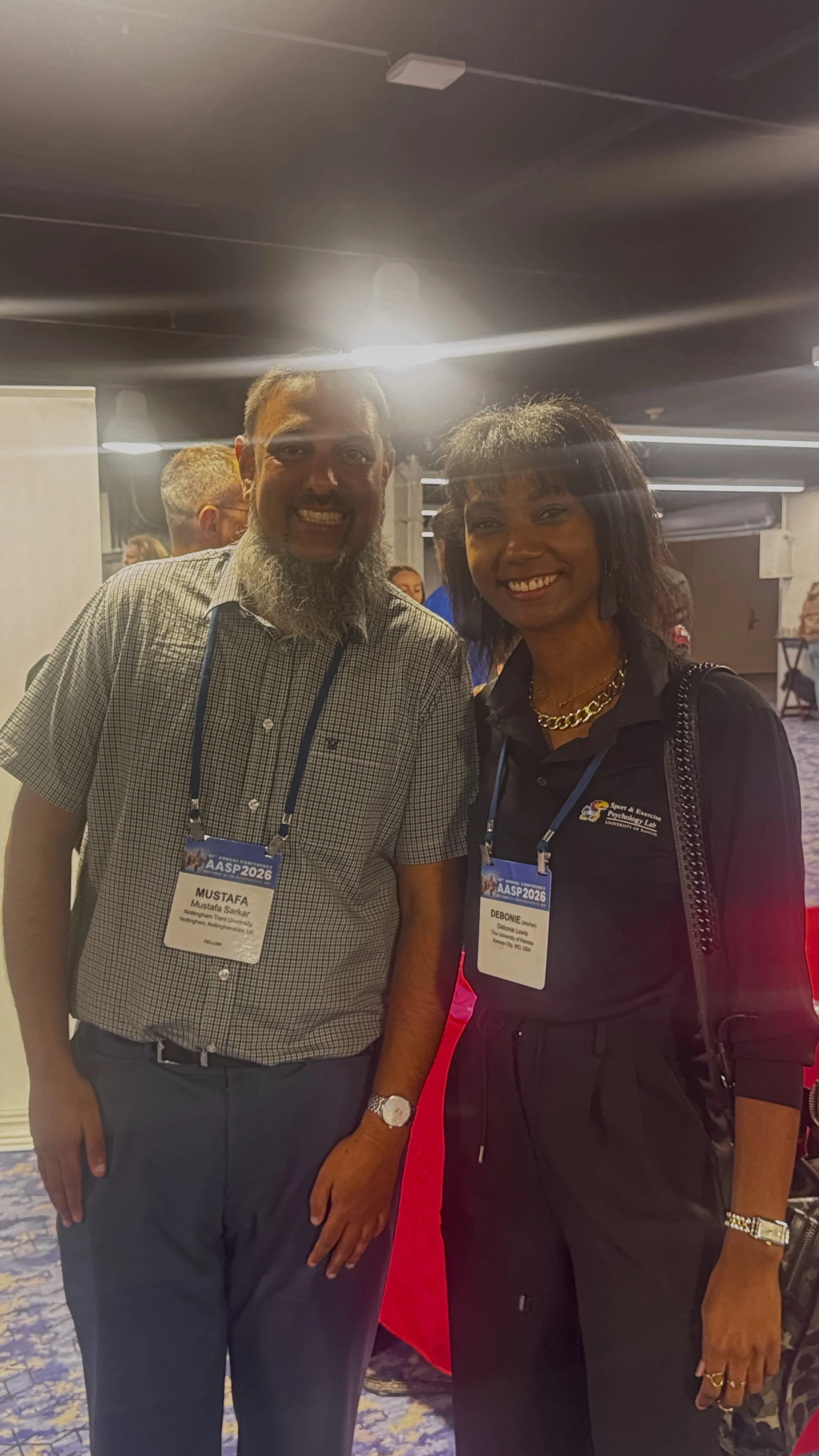
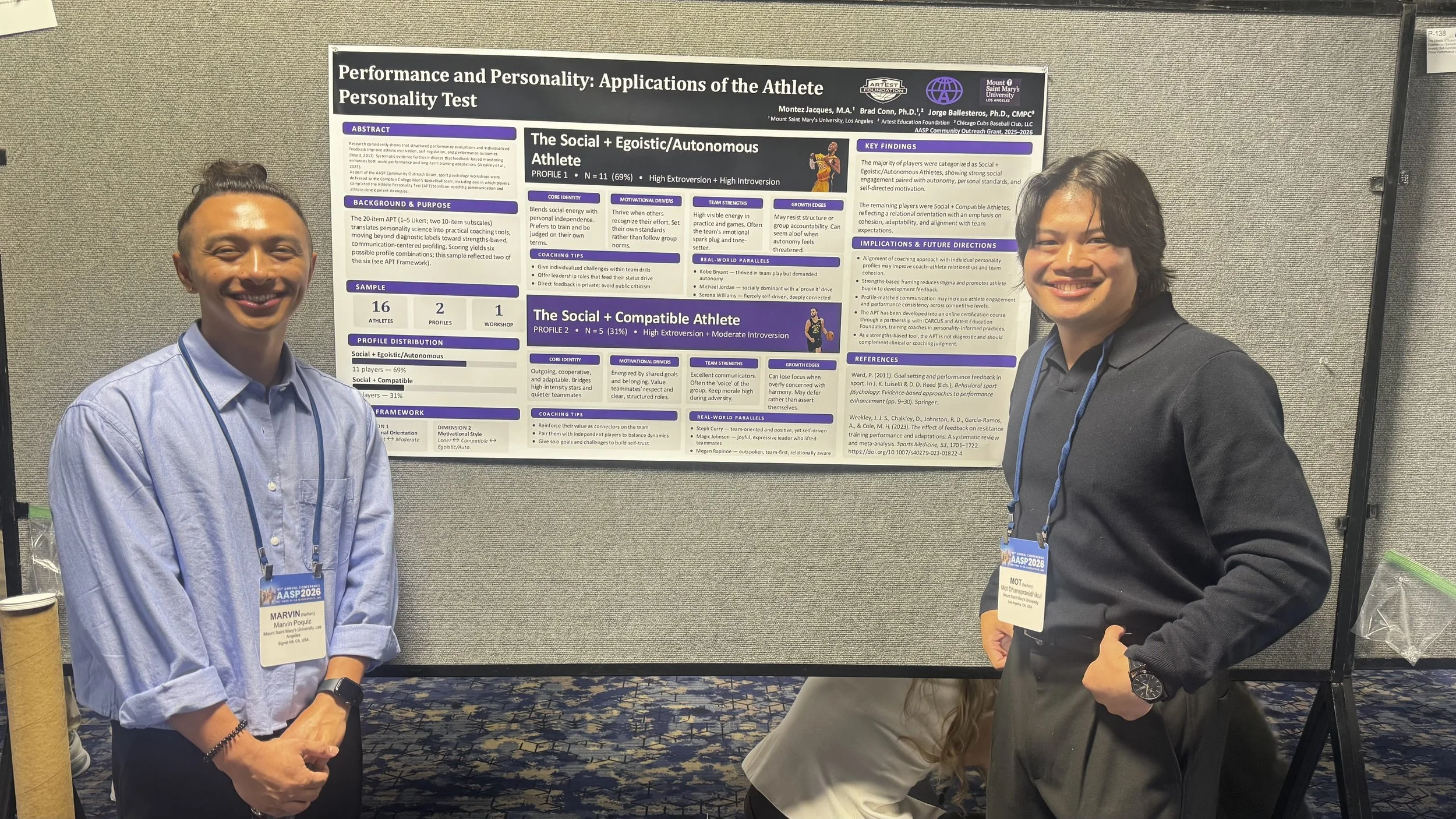
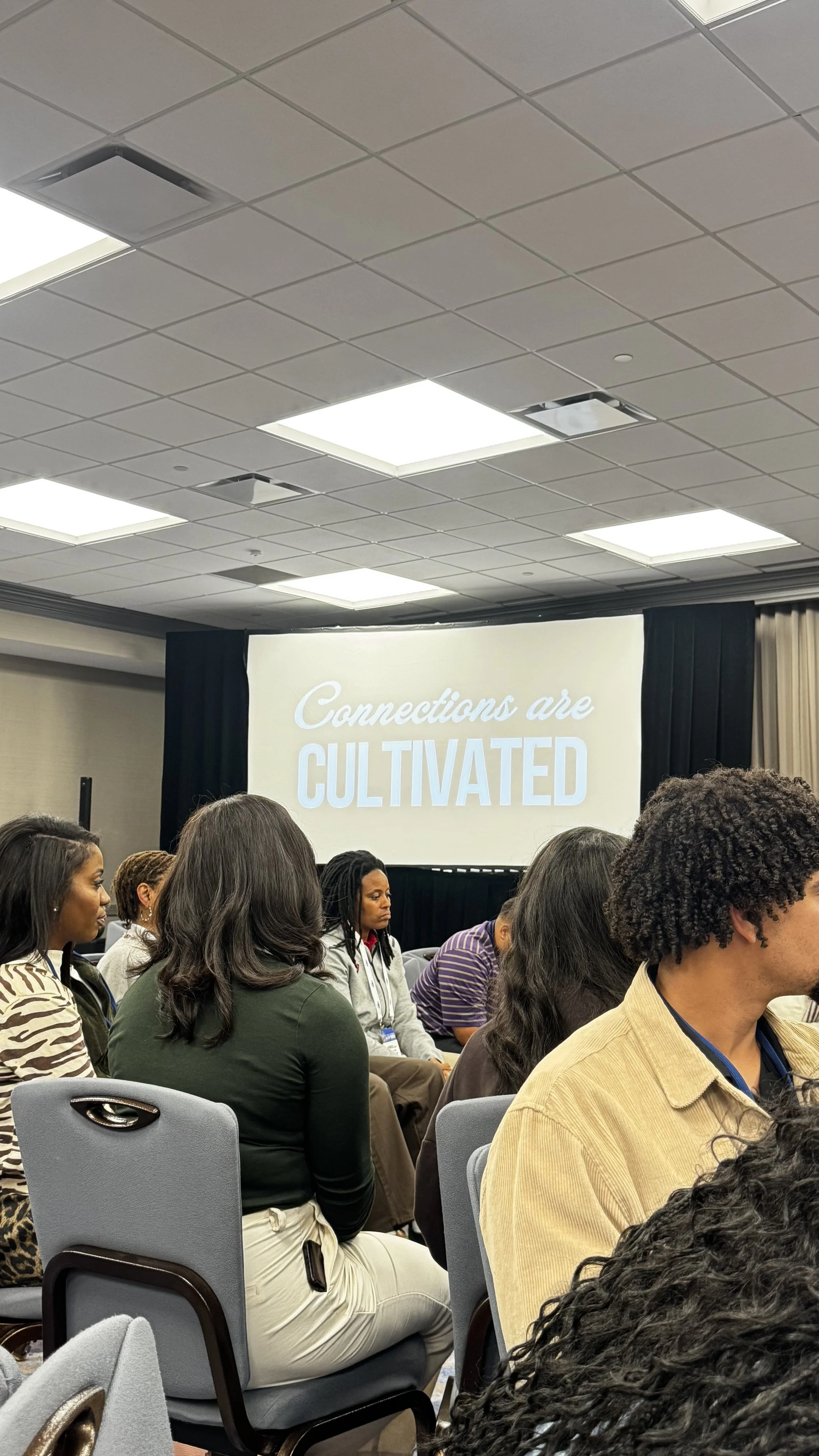
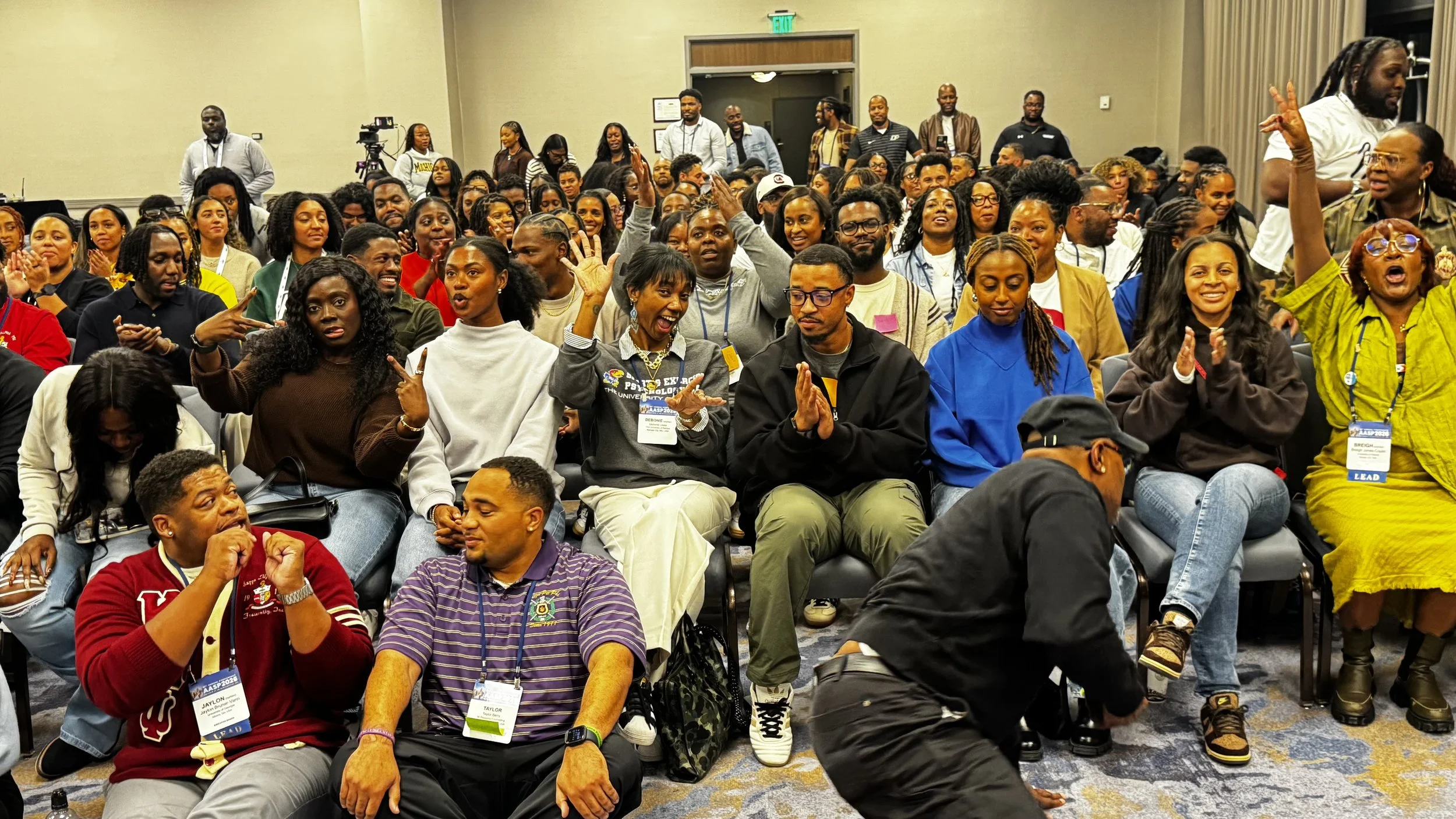
AASP feels like accessibility. It brings together researchers, practitioners, educators, and professionals from different backgrounds who share a commitment to understanding human performance and well-being. There is something refreshing about being surrounded by people who are both intellectually curious and genuinely invested in helping others.
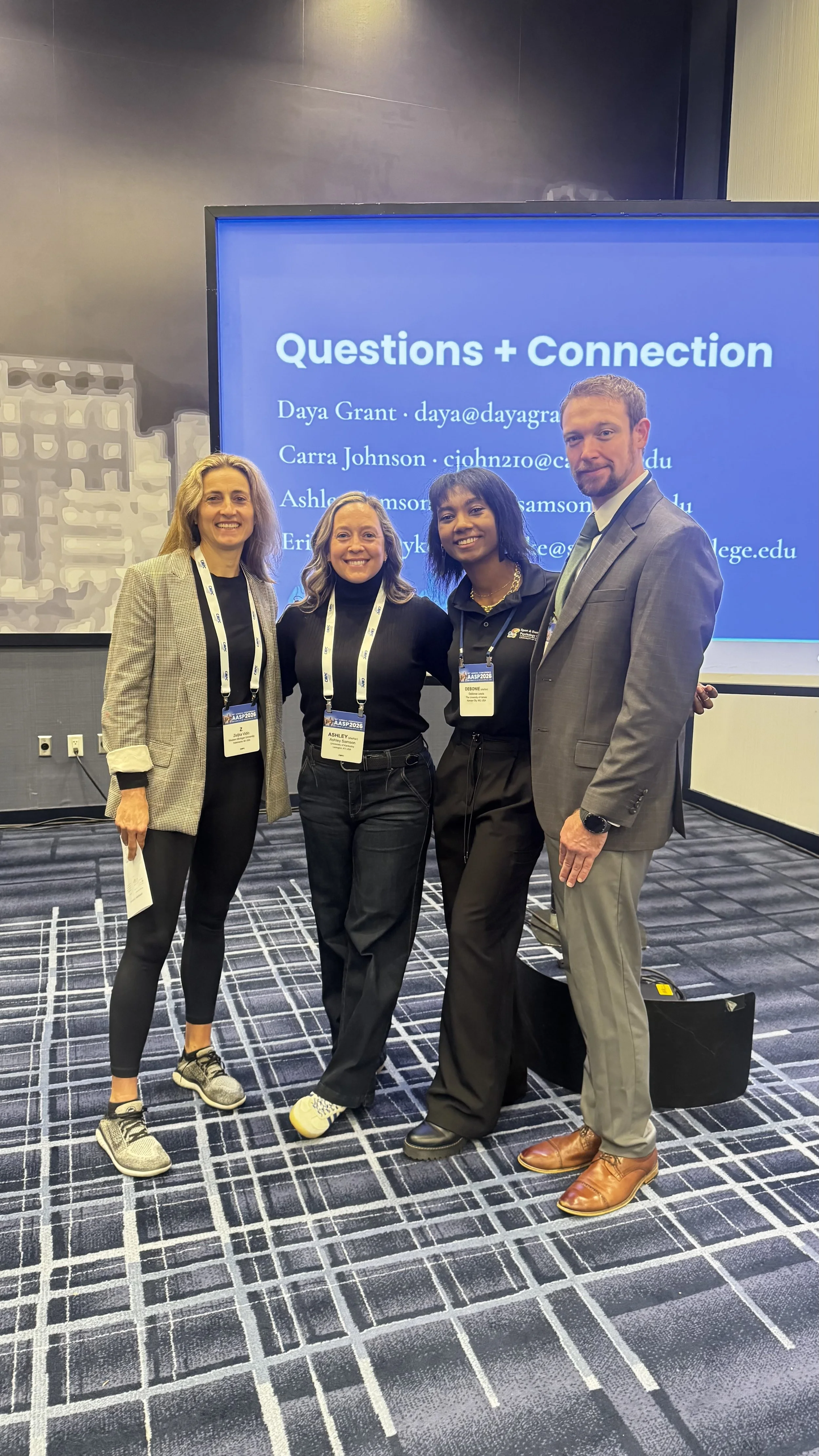
One of my biggest takeaways was the importance of asking better questions. Research should not exist simply to produce another publication. It should address meaningful problems, challenge assumptions, and create knowledge that improves people's lives.
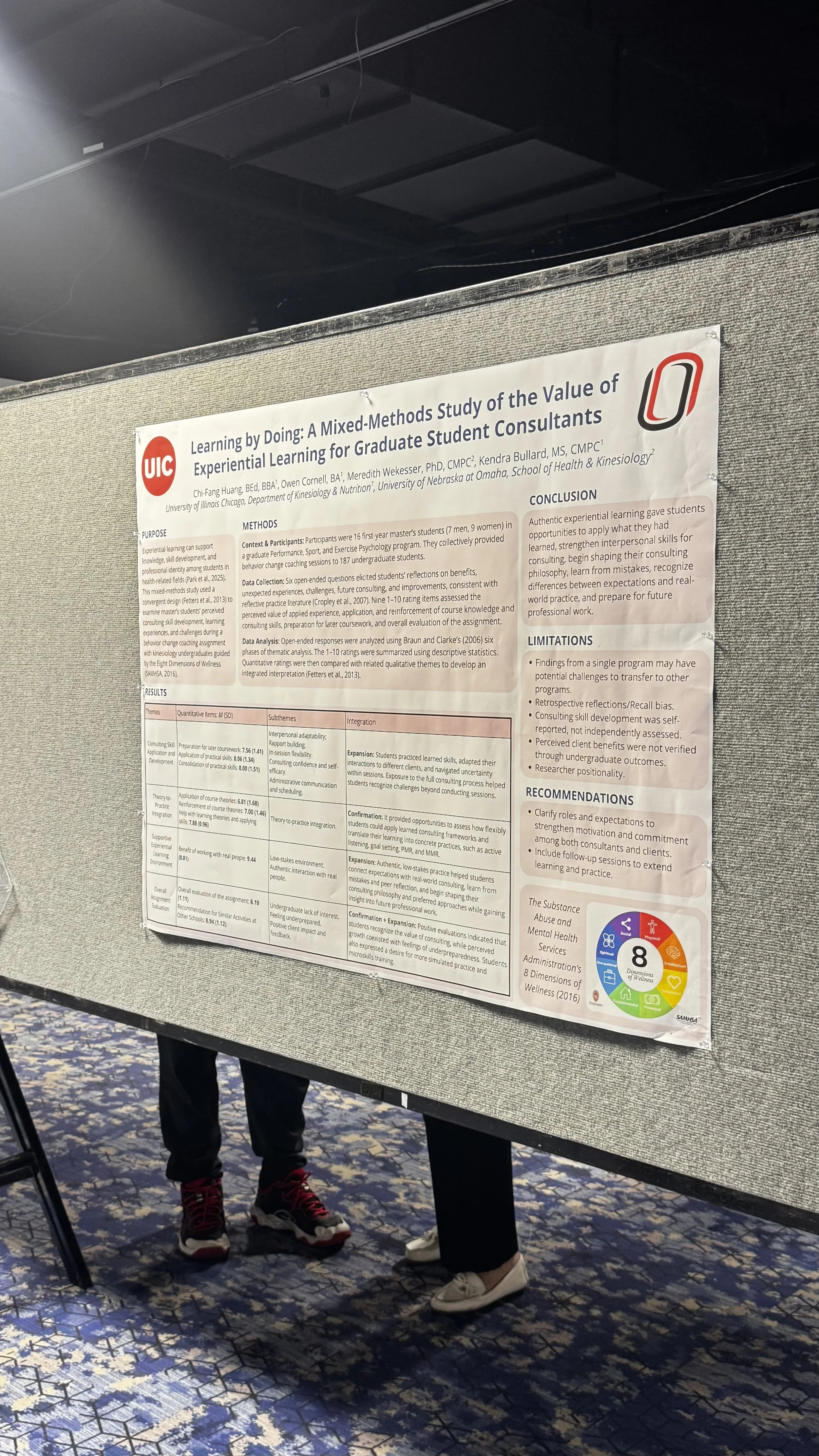
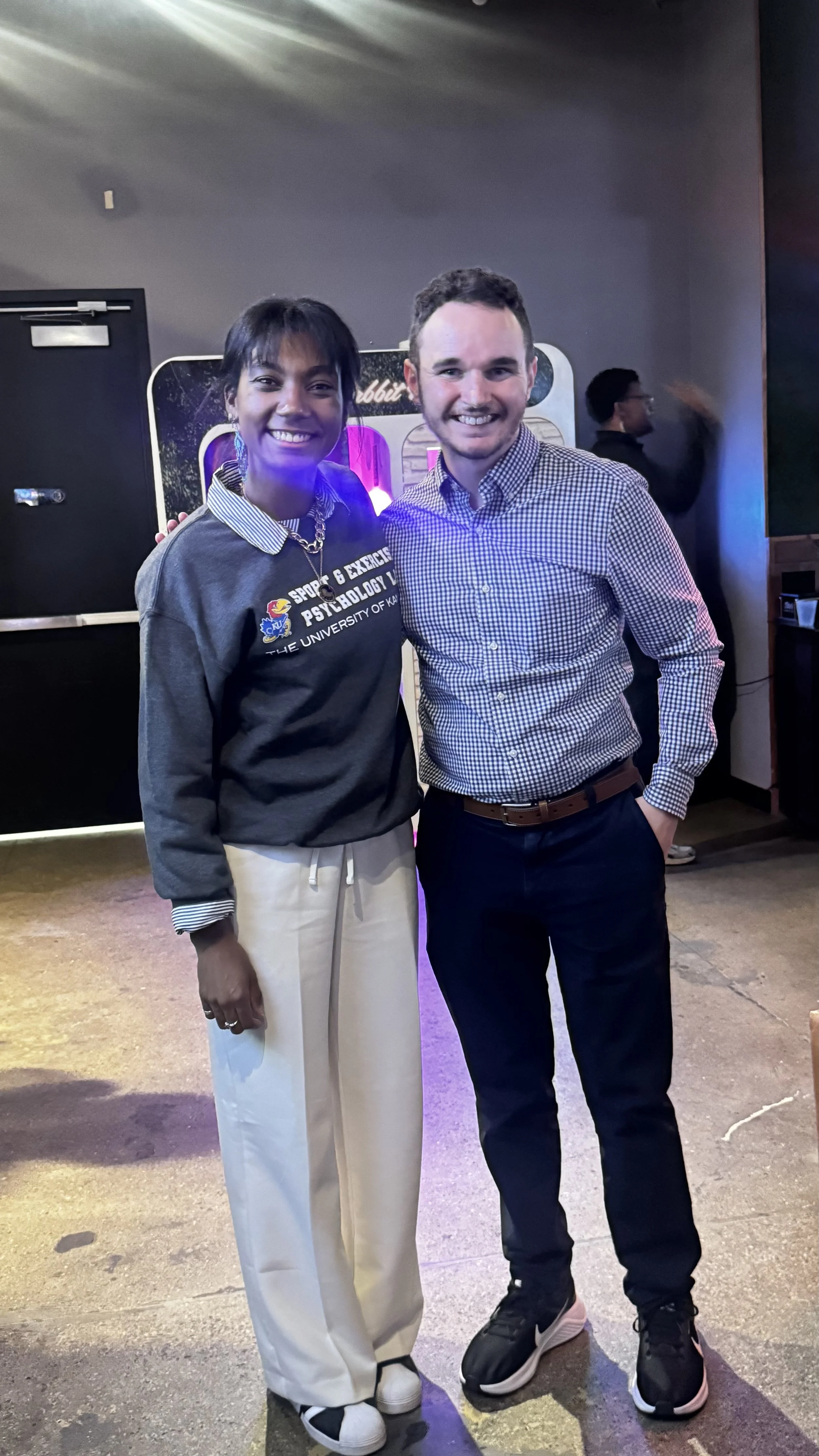
Conversations about international research approaches, mixed methods, mental skills training, and professional development reinforced how much opportunity exists for collaboration. What could happen if we connected rigorous research with practical applications more intentionally?
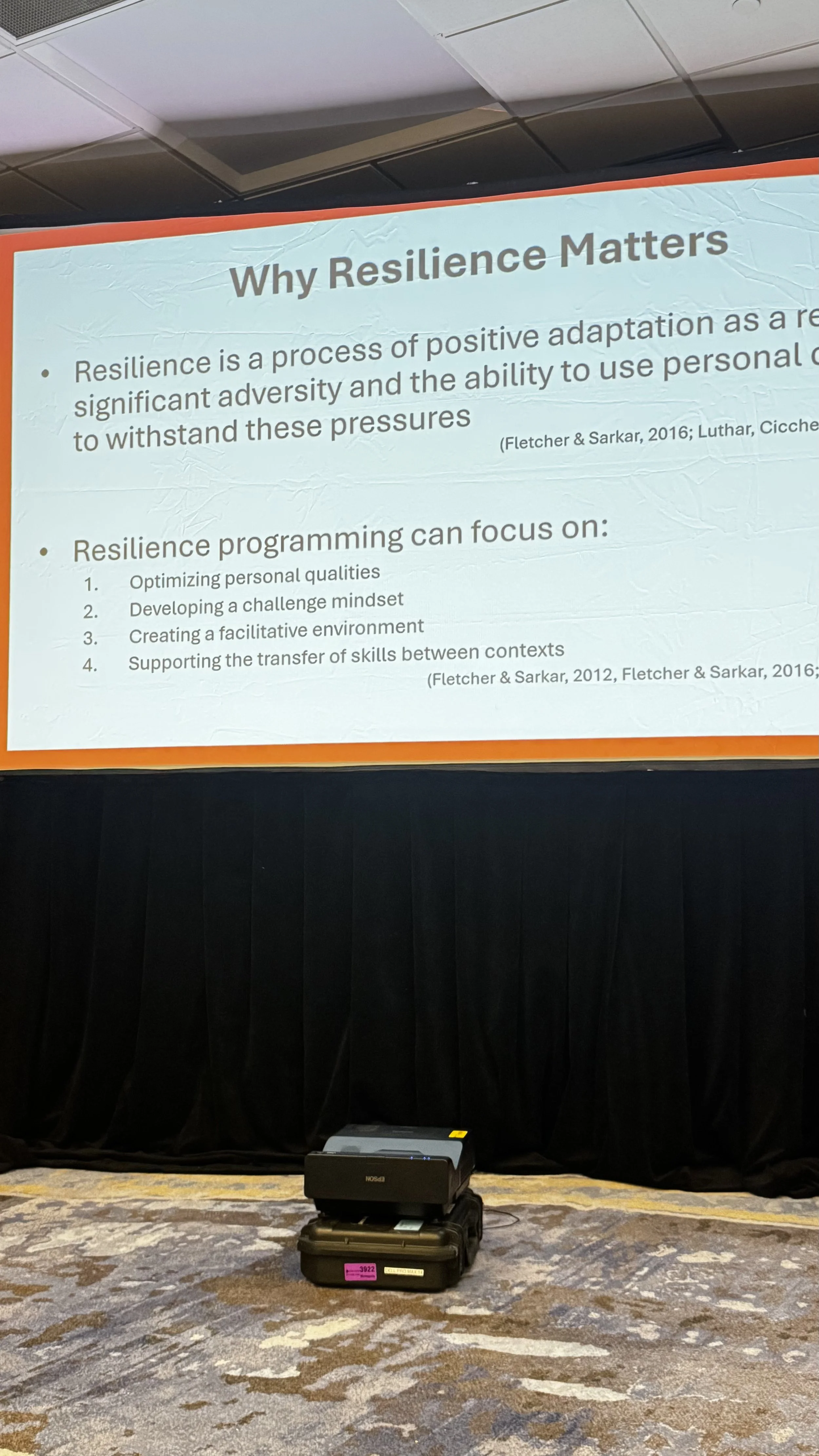
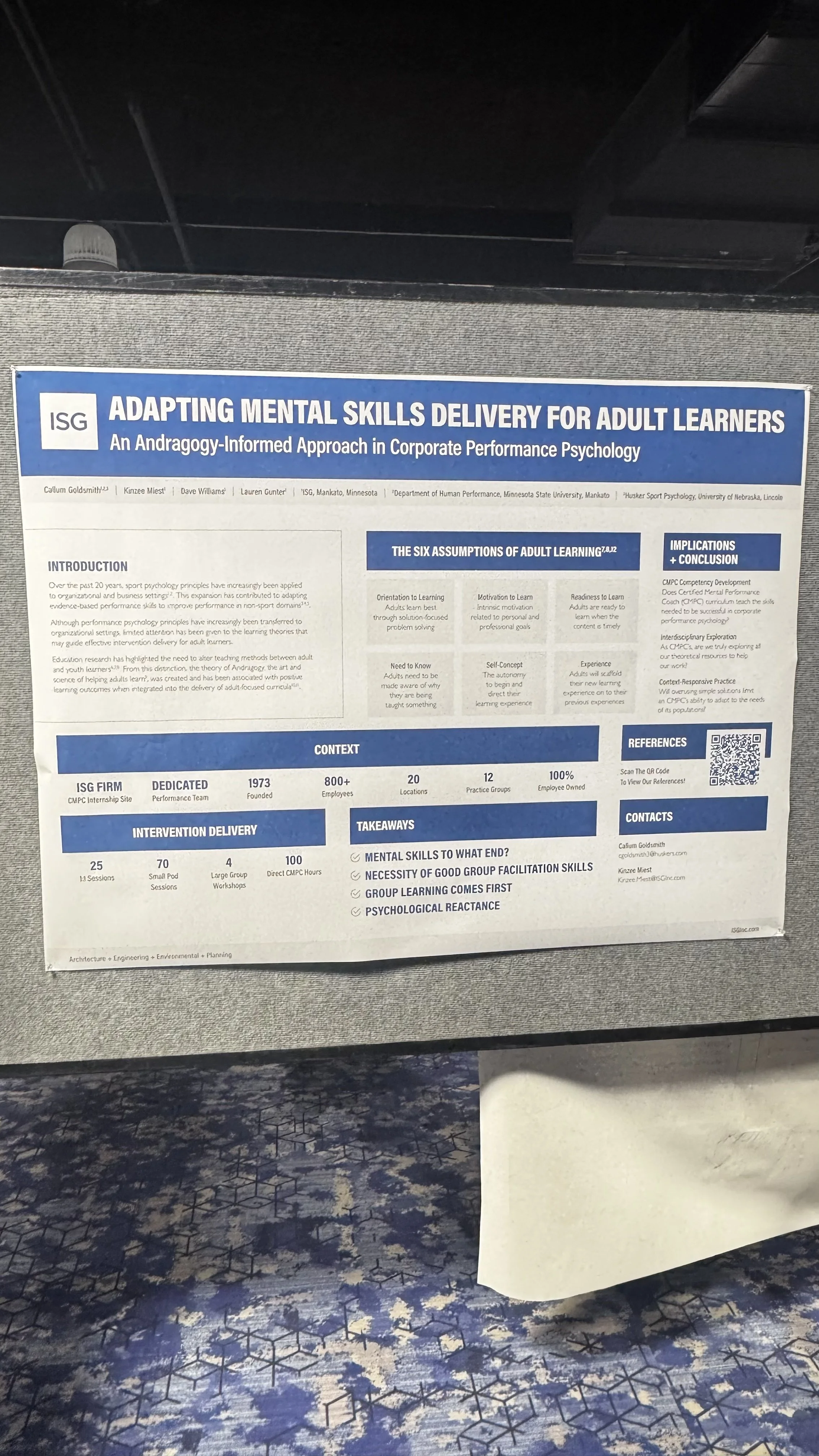
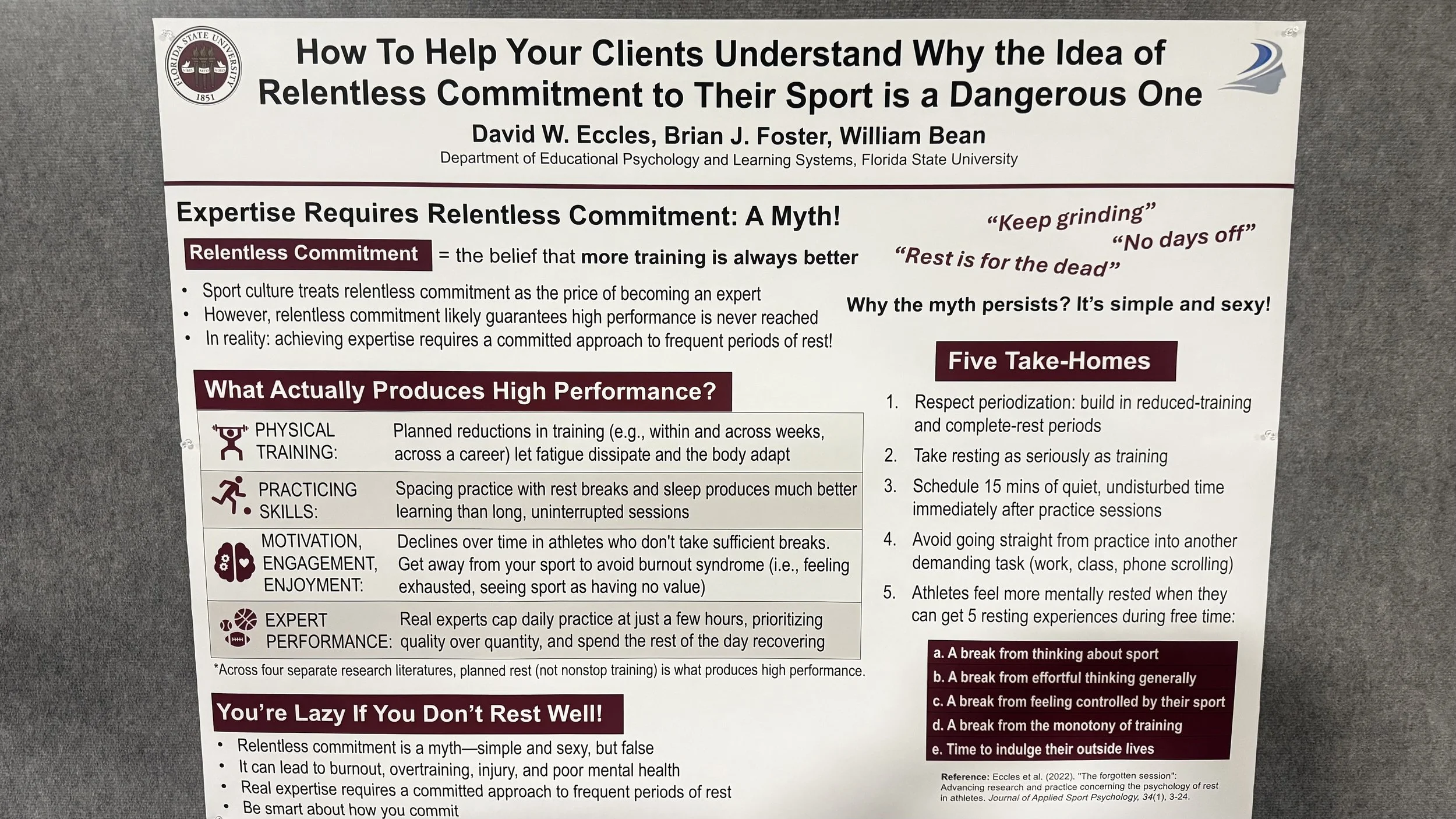
I also found myself drawn to emerging conversations about integrating mental skills into strength training, supporting women in sport, and developing psychological skills alongside physical training.
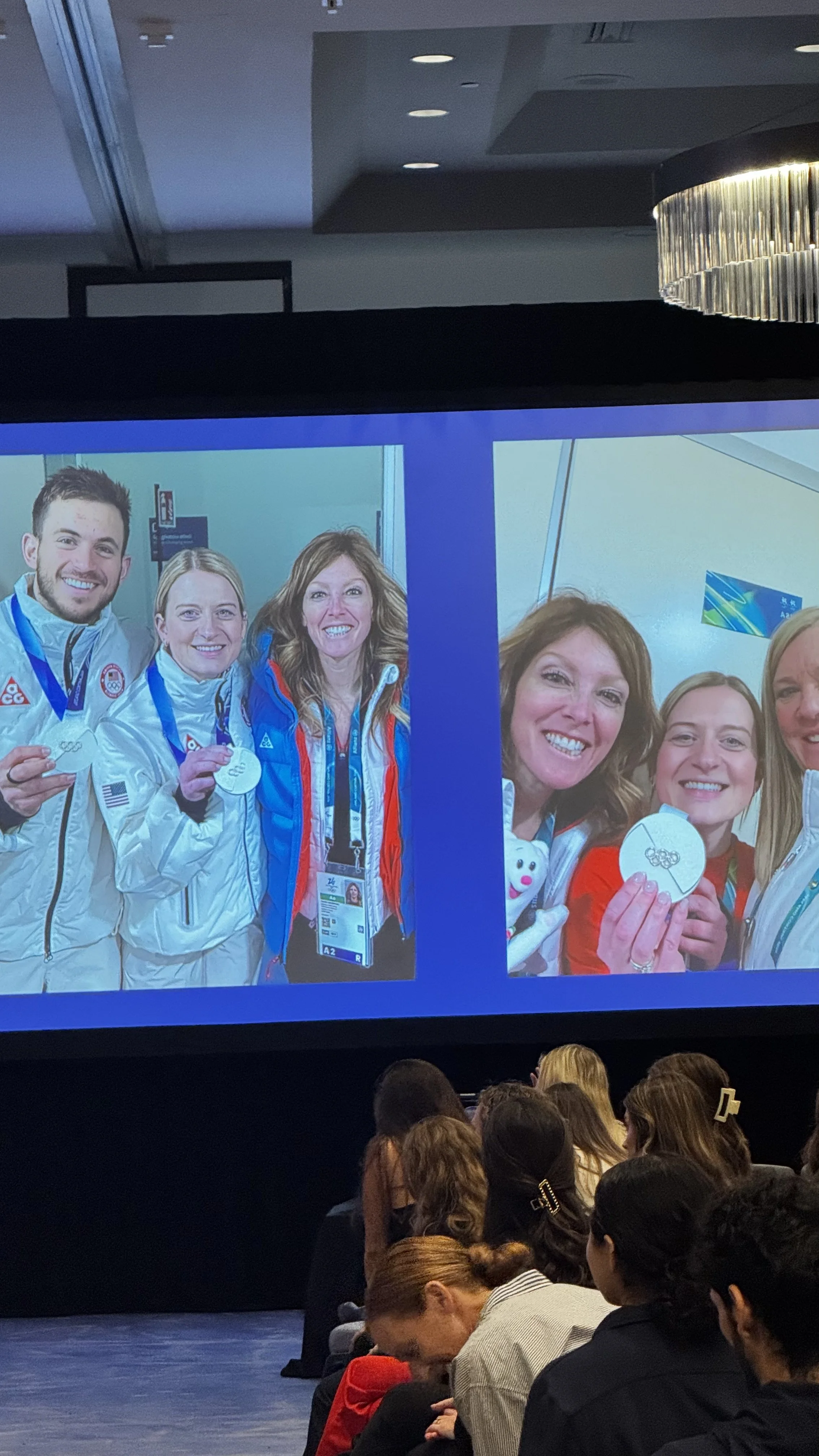
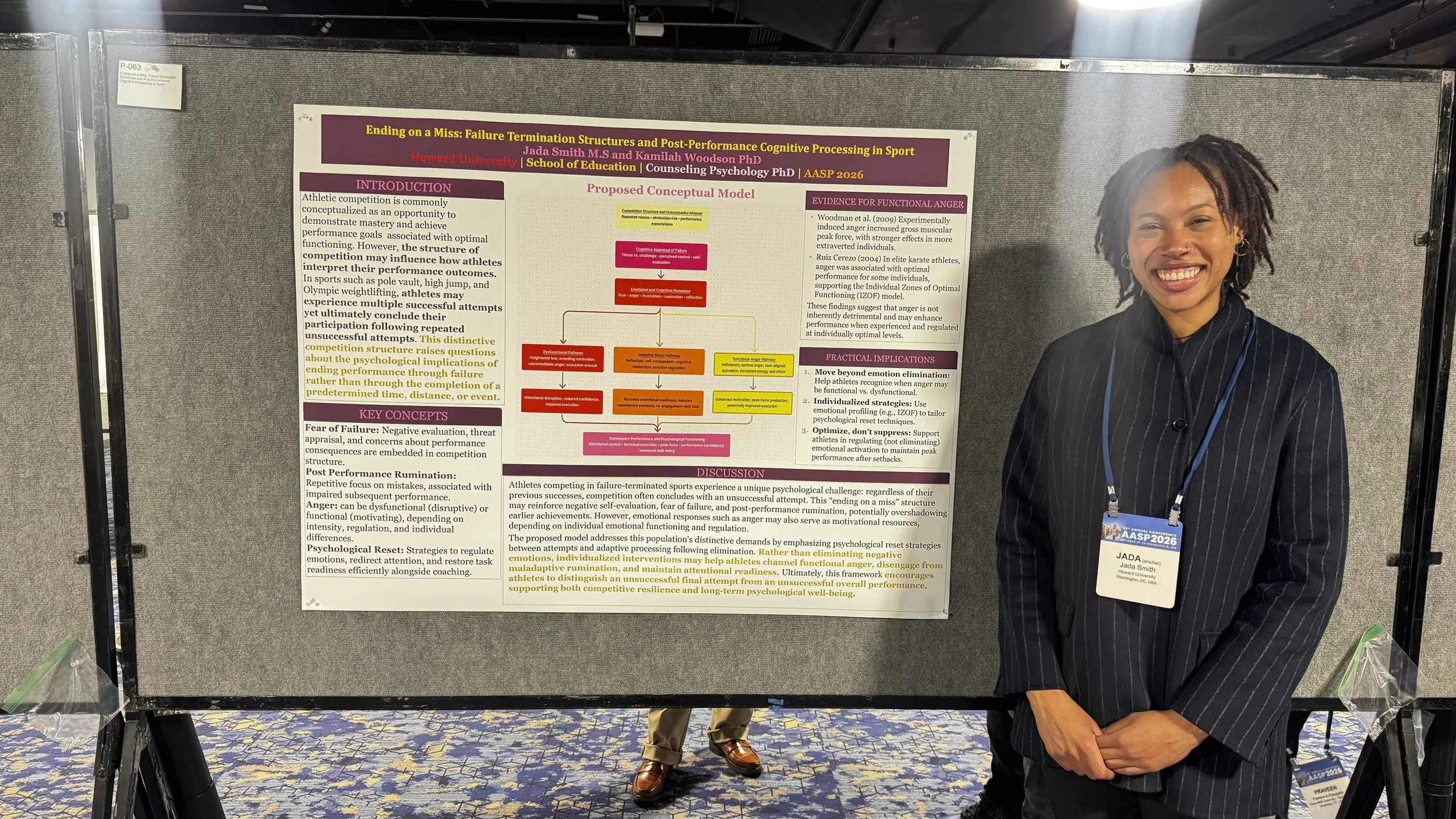
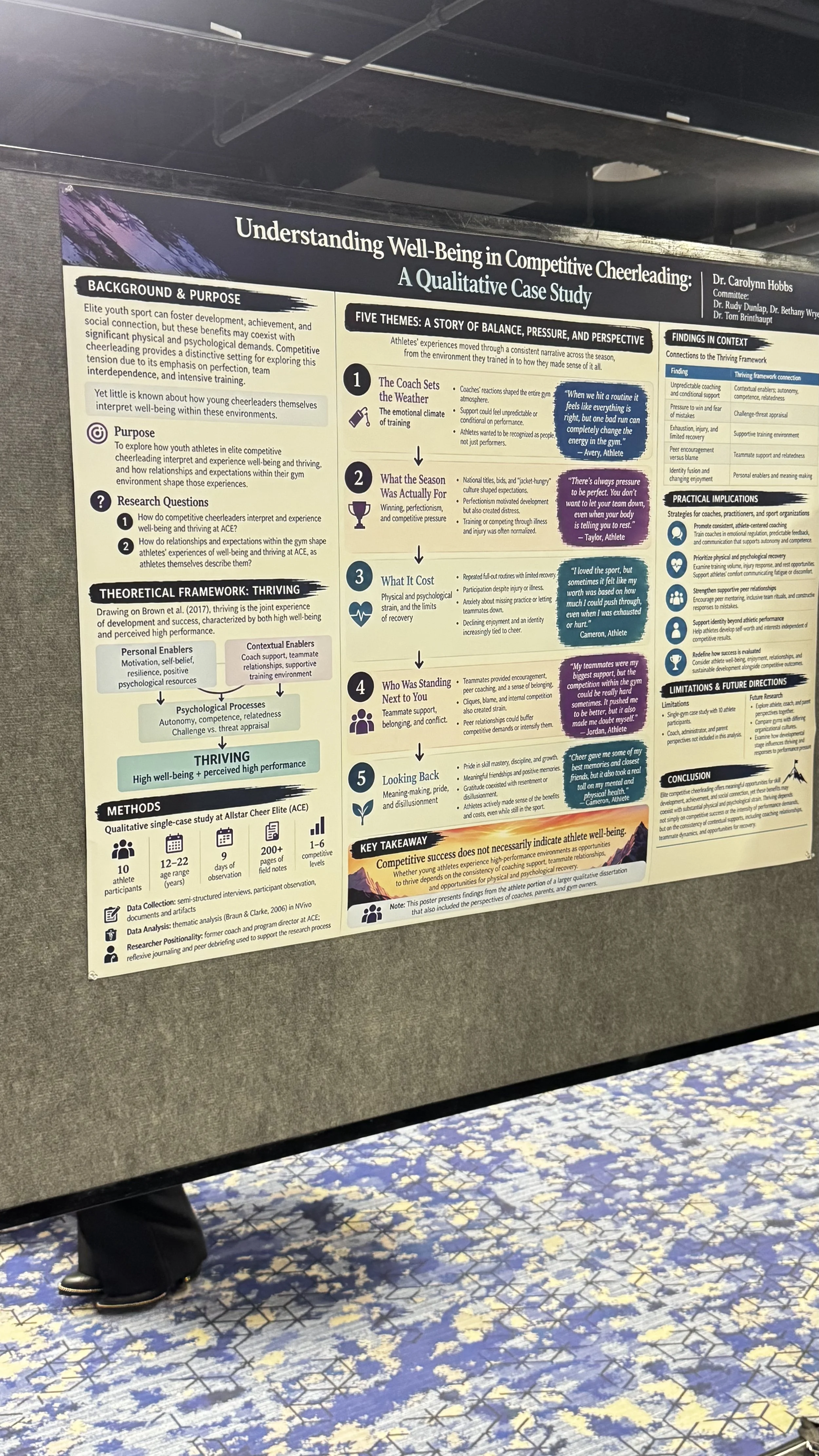
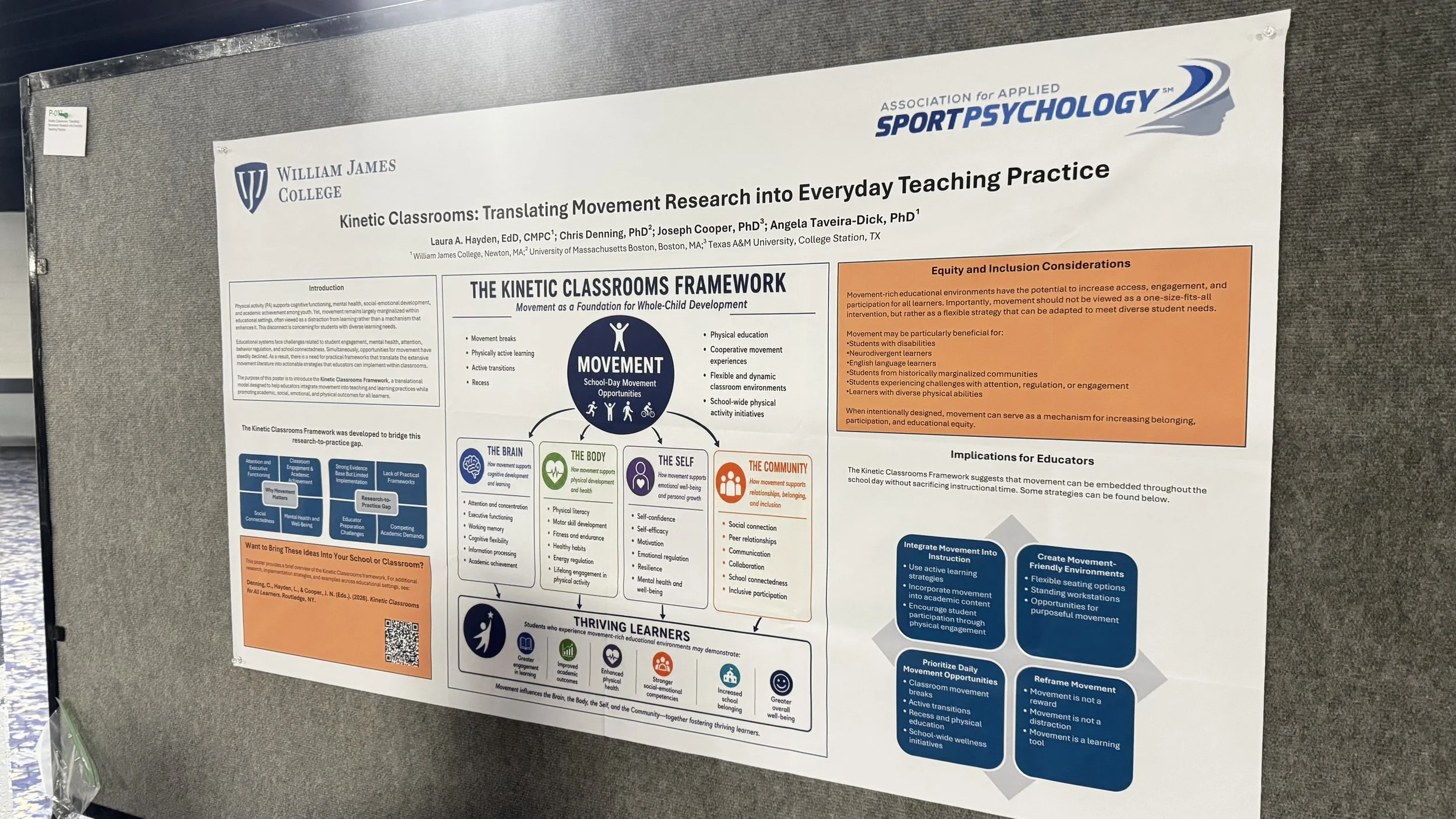
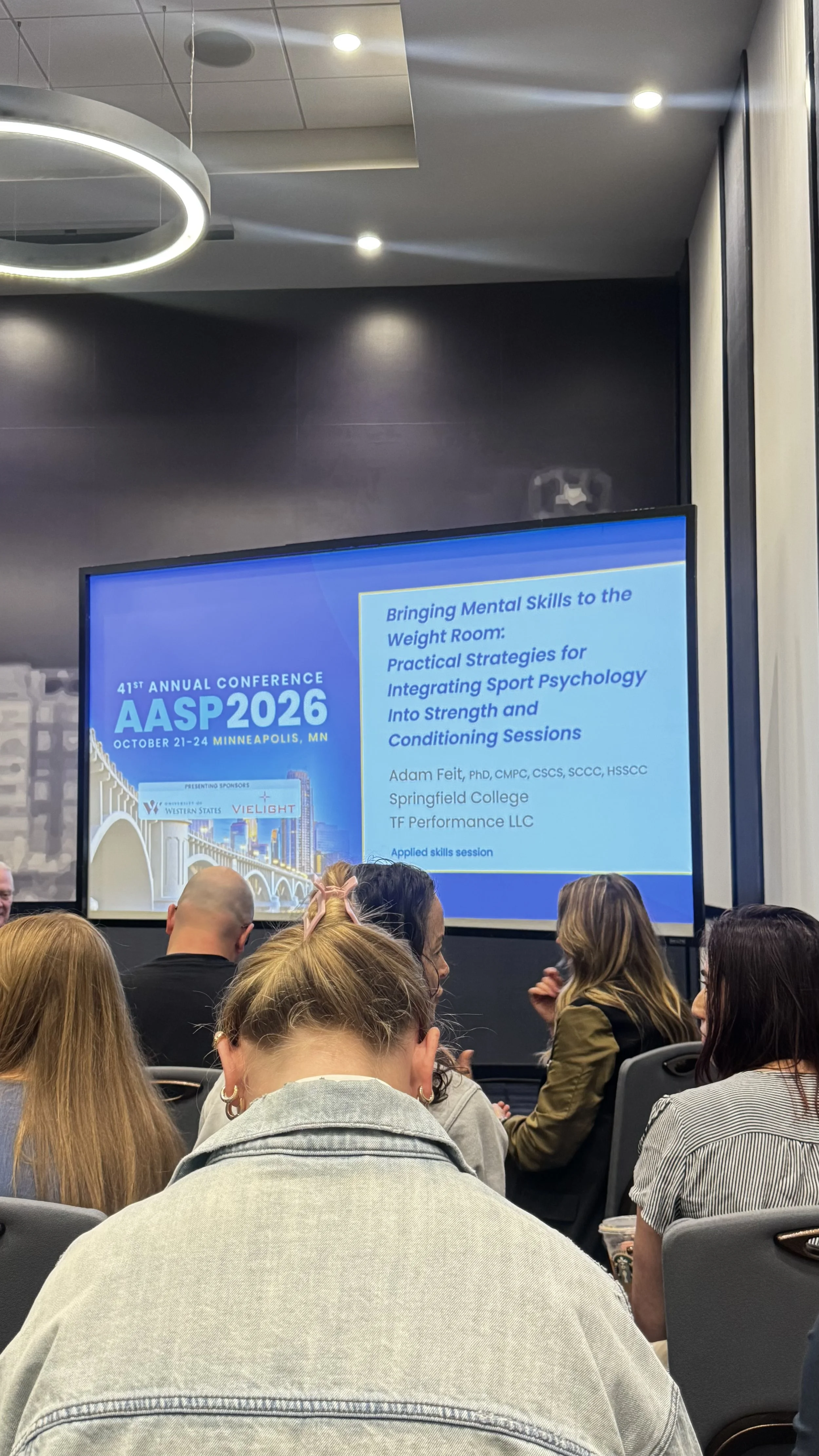
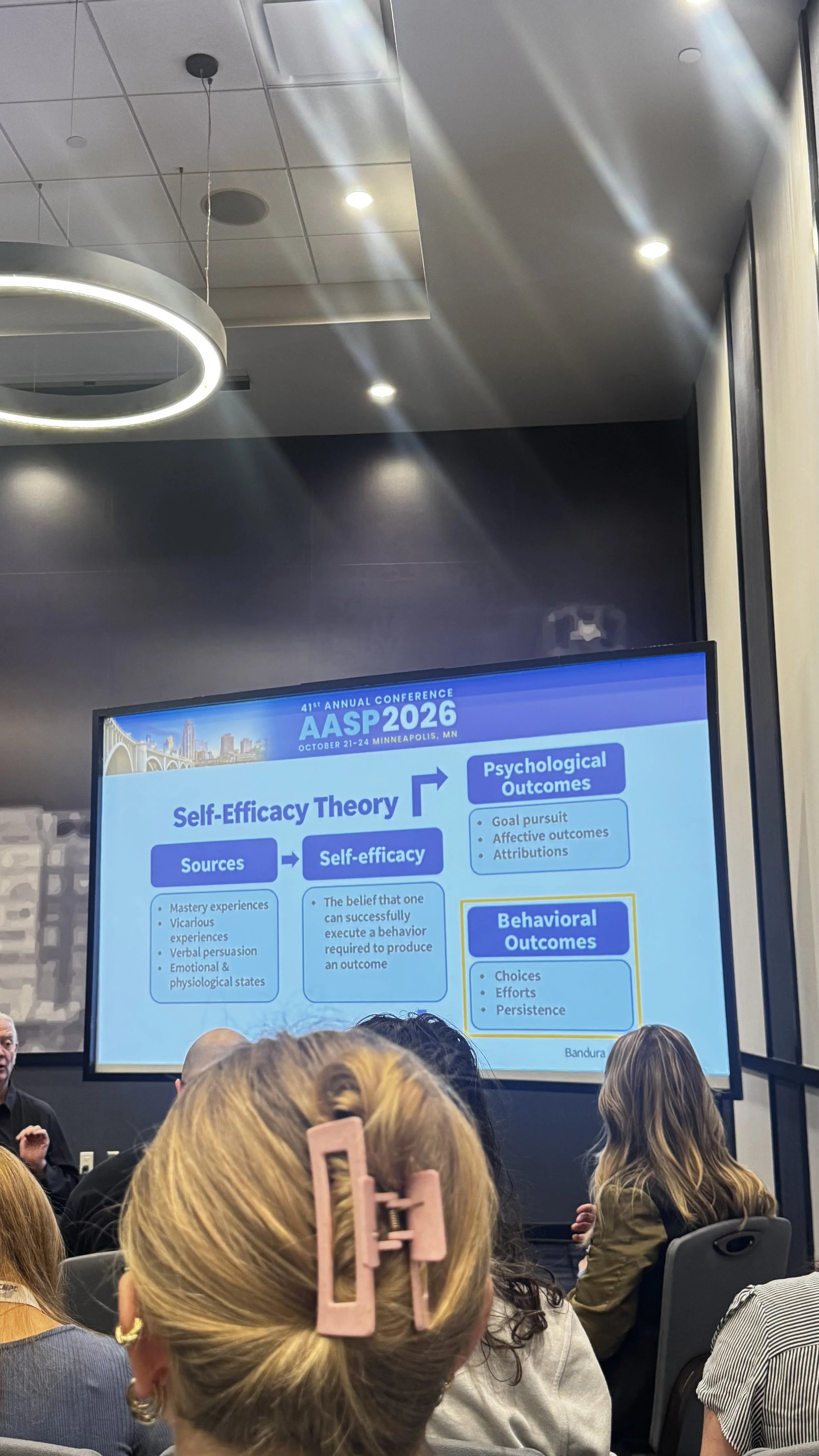
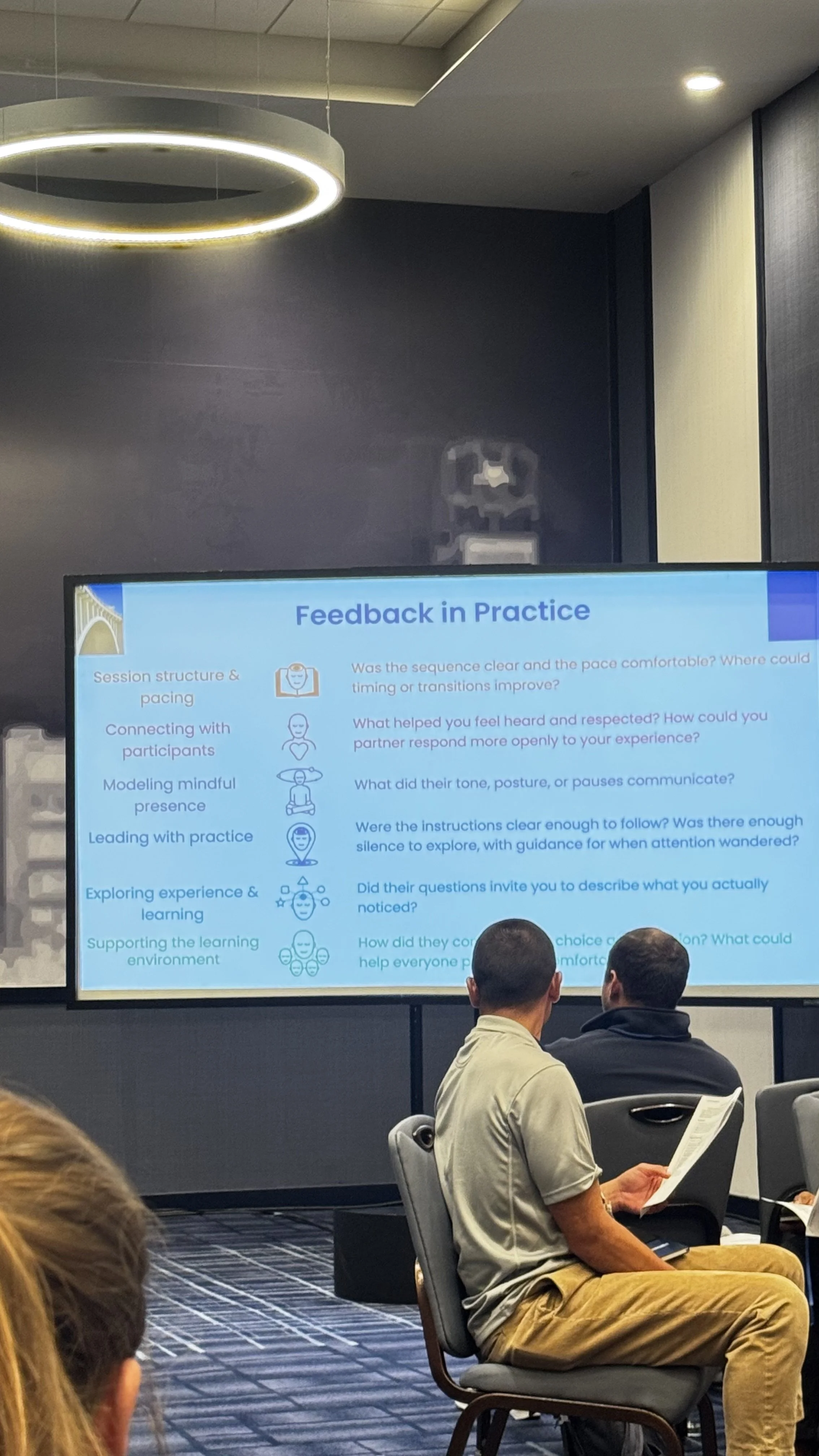
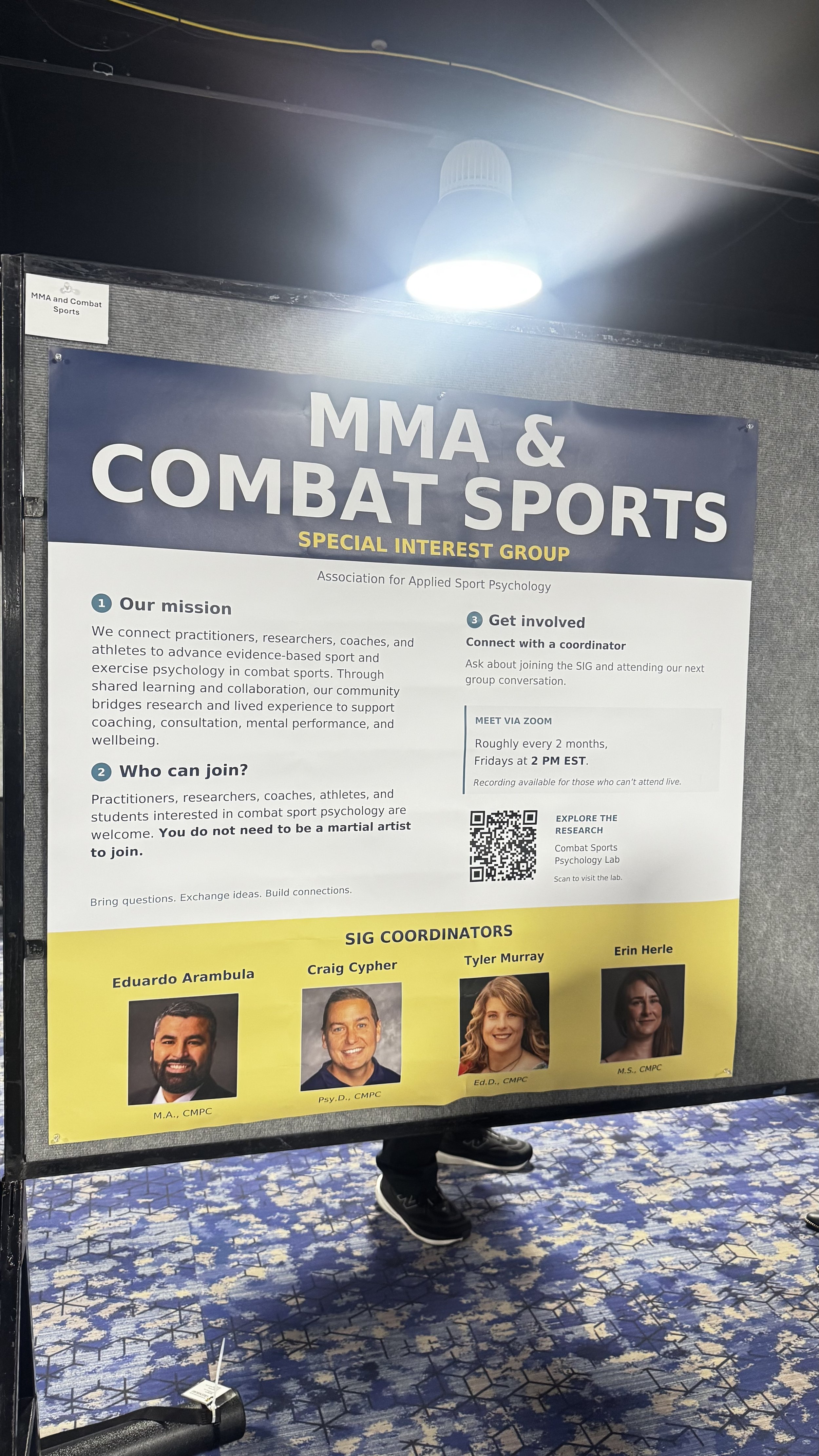
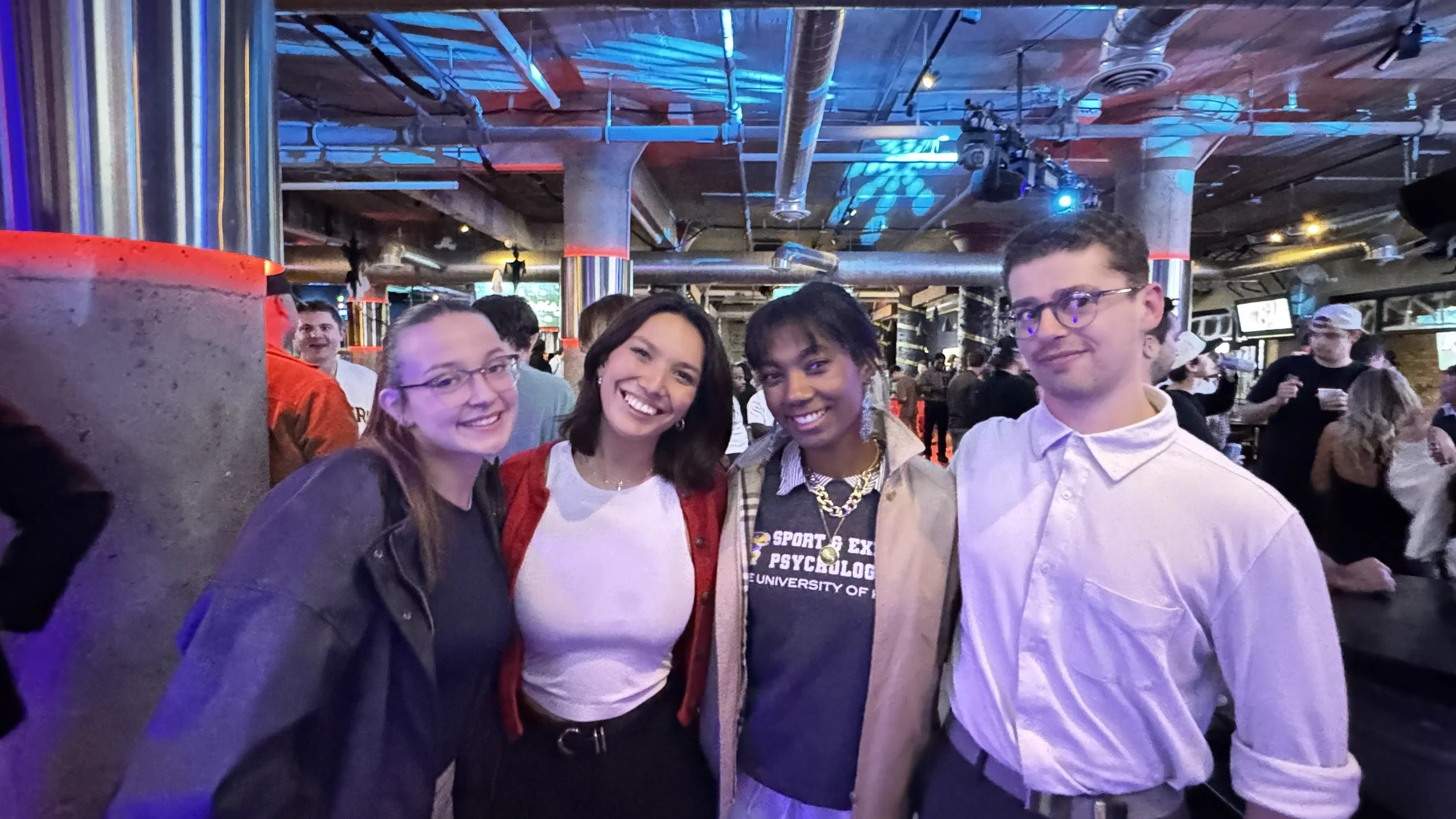
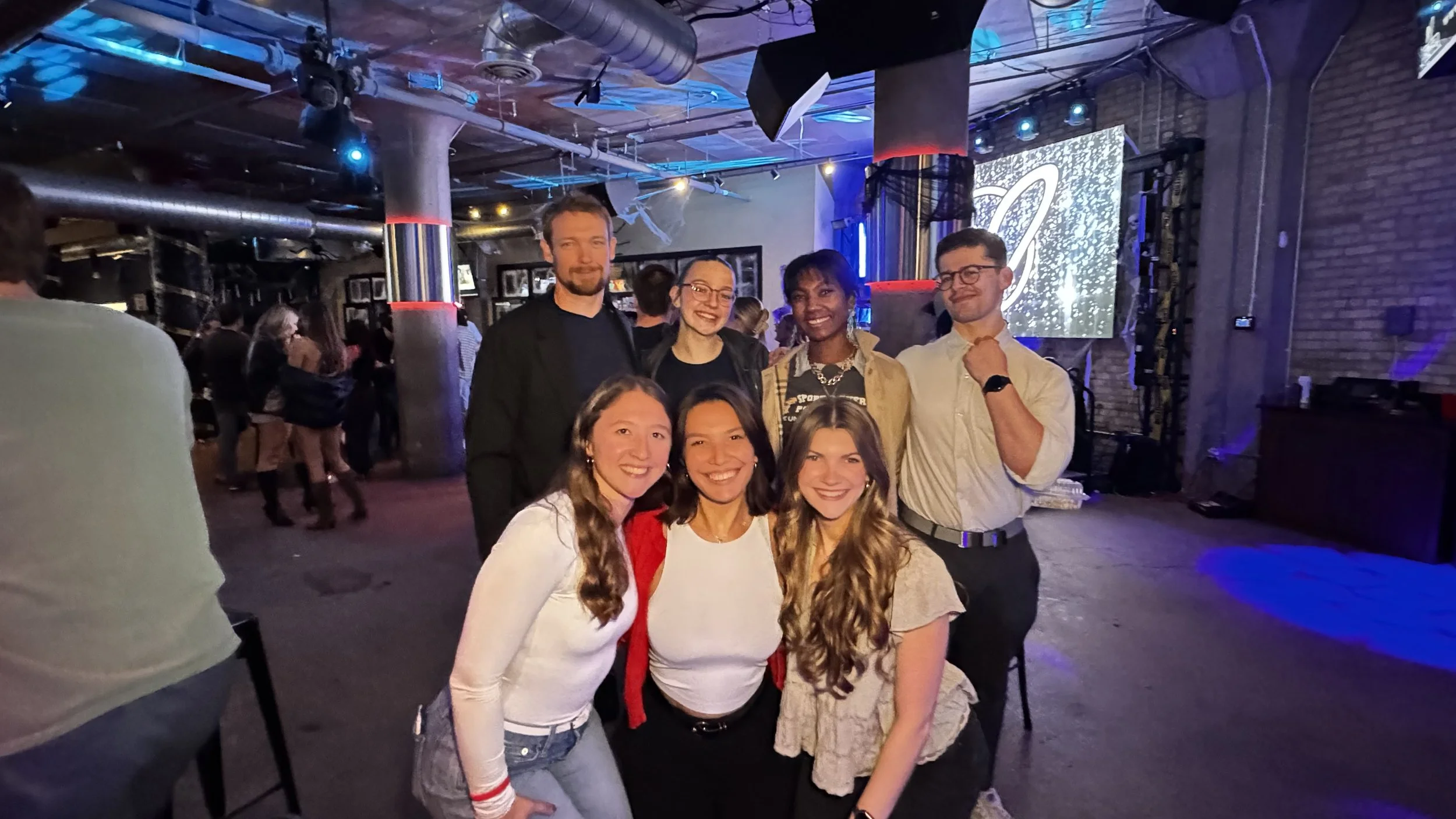
Perhaps most importantly, the conference reminded me that sport psychology is a helping profession. Behind the theories, credentials, and career pathways are people seeking to perform, adapt, grow, and thrive.
After transitioning from corporate healthcare project management into doctoral study, experiences like AASP make me grateful I took the leap.
I'm still exploring exactly where this journey will lead, but I'm increasingly confident about the kind of work I want to contribute: research-informed, accessible, collaborative, and grounded in real human needs.
And that's what I love about AASP. It creates room for both ambition and curiosity.
